NewExtra server protection with Measured Boot & UKI images.View Measured Boot
BlogDocumentationFAQNo Third-Party CookiesContact Us
  • Pricing
Log inSign up
Cloud VPSVDSMemory-Optimized VDSStorage-Optimized VDSWindows VPSBitcoin VPSDDoS ProtectionPrivate Networking (VPC)Floating IPsAdditional Server SupportMicrosoft LicensesDatacenterNetworkDocumentationFAQNo Third-Party CookiesConfidential ComputingSelf-Hosted VPNBlogAboutBrand GuidelinesAffiliatesContact UsLegal & Compliance

Products

  • Pricing
  • Cloud VPS
  • VDS
  • RAM-Optimized VDS
  • Storage-Optimized VDS
  • Windows VPS
  • Bitcoin VPS
  • DDoS Protection
  • Private Networking (VPC)
  • Floating IPs
  • Microsoft Licenses
  • Additional Server Support

Explore

  • Documentation
  • Developers API Docs
  • FAQ
  • Datacenter
  • Network
  • Looking Glass
  • Confidential Computing
  • Cookie Policy
  • Self-Hosted VPN

Company

  • Blog
  • Contact Us
  • About Us
  • Brand Guidelines
  • Affiliates

Legal & Compliance

  • Terms of Service
  • Privacy Policy
  • Data Processing Agreement
  • Acceptable Use Policy
  • Microsoft Software Terms of Use
  • Refund Policy
  • Report Abuse

Products

  • Cloud VPS
  • VDS
  • RAM-Optimized VDS
  • Storage-Optimized VDS
  • Windows VPS
  • Bitcoin VPS
  • DDoS Protection
  • Private Networking (VPC)
  • Floating IPs
  • Microsoft Licenses
  • Additional Server Support
Pricing

Explore

  • Documentation
  • Developers API Docs
  • FAQ
  • Datacenter
  • Network
  • Looking Glass
  • Confidential Computing
  • Cookie Policy
  • Self-Hosted VPN

Company

  • Blog
  • Contact Us
  • About Us
  • Brand Guidelines
  • Affiliates

Legal & Compliance

  • Terms of Service
  • Privacy Policy
  • Data Processing Agreement
  • Acceptable Use Policy
  • Microsoft Software Terms of Use
  • Refund Policy
  • Report Abuse

© VPS.BG Ltd. 2026 · All rights reserved!

Made with passion in Bulgaria · VAT ID: BG203144520

Contents

  • How to add an addon domain in cPanel
  • When to use addon domains

Subscribe to Our Newsletter

Join 5000+ subscribers and receive helpful content, deals and more! We promise no spam - 100% great content. Unsubscribe anytime.

Share Article

Shared Hosting
  1. Documentation
  2. /
  3. Shared Hosting
  4. /
  5. What is an addon domain and how to add one to your shared hosting account using cPanel

What is an addon domain and how to add one to your shared hosting account using cPanel

Published: 23 September 2021 • 2 min read

#Tutorial#CPanel

An addon domain is an additional, functional registered domain that is hosted on the same account as the primary domain. The addon domain shares the files with the main domain and also allows you to assign domain email addresses and forwarded. Not only that, but it also supports all of the functions that the main domain supports.

This is particularly useful if you wish to operate 2 or more domains from one single account. Additionally, you can also use addon domains to create a separate version of your website in a different language or for a specific device such as a mobile or tablet version. Addon domains are also useful for testing purposes. Here’s how to set up one!

How to add an addon domain in cPanel

This process is actually relatively straightforward and simple. All you need to do is just follow these basic steps!

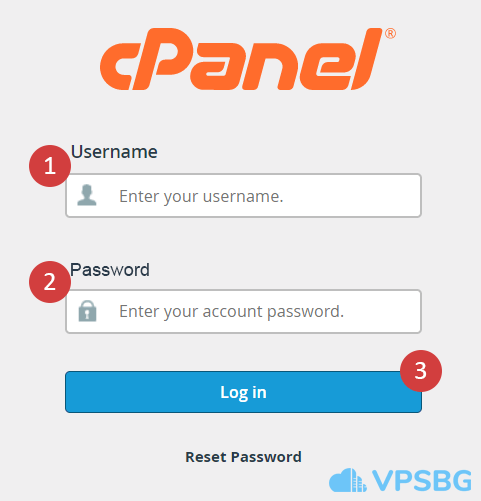
Step 1: Login into your cPanel account
cpanel login

  1. Enter your username.
  2. Enter your password.
  3. Click on Log in.

Step 2: Locate the ‘Domains’ section in cPanel

look for addon domains

  1. Go to the ‘Domains’ tab.
  2. Select Addon Domains.

Step 3: Create the addon domain

create the addon domain

  1. Enter the name of the new addon domain you want to create followed by the top level domain identifier such as ‘.com/.net/.io’
  2. The subdomain field will be autofilled based on the domain name that you have entered in the previous field. However, you can manually change it if necessary.
  3. The document root will be the location of the new addon domain (this field will also be filled in automatically based on your input).
  4. Ticking the checkbox will create an FTP account, which the owner and/or developers can use to manage the website's files using an FTP client.
  5. Finalize the process.

Here is an example of what creating an addon domain titled ‘myaddondomain.com’ would look like:

addon domain example

Once created, you should receive this message:

addon domain created

When to use addon domains

Even though some additional routing could need to be performed in order to ensure that each domain appears appropriately, addon domains are still a great way to manage multiple domains from the same account.

Not to mention that it is cheaper to use them than paying for a hosting plan for each new domain you want to register and also allows you to share resources between domains (websites) without spending as much.

Such domains can be quite useful for those that have a number of smaller websites that don’t have too much content as well as for those that want to create a separate version of their websites in different languages or for divergent devices.

Subscribe to Our Newsletter

Join 5000+ subscribers and receive helpful content, deals and more! We promise no spam - 100% great content. Unsubscribe anytime.

Share Article

Related Content

16 January 2020

How to restore files, databases & emails via JetBackup in cPanel

In this tutorial you are going to learn how to restore files, databases as well as your entire cPanel account by using JetBackup.

#Tutorial#CPanel
05 February 2020

How to enable PHP error logging and review the errors

Are you seeing different errors and you want to know how to identify them? In this tutorial we are going to show you how to enable PHP error logging.

#Tutorial
05 February 2020

How to speed up your WordPress website with LiteSpeed

Learn more about the LiteSpeed Caching plugin for WordPress and how to install it so that you can improve your website’s performance.

#Tutorial#WordPress#CPanel
18 February 2021

What is a SPF record and how to create one

In this tutorial we are going to focus on the importance of SPF records and how to create them in order to prevent your emails being flagged as SPAM.

#Tutorial#Email

Privacy-First Cloud Hosting

Looking for a powerful and secure cloud server that respects your privacy? Take a look at our SEV-SNP powered virtual machines!

View PricingContact Us