NewExtra server protection with Measured Boot & UKI images.View Measured Boot
BlogDocumentationFAQNo Third-Party CookiesContact Us
  • Pricing
Log inSign up
Cloud VPSVDSMemory-Optimized VDSStorage-Optimized VDSWindows VPSBitcoin VPSDDoS ProtectionPrivate Networking (VPC)Floating IPsAdditional Server SupportMicrosoft LicensesDatacenterNetworkDocumentationFAQNo Third-Party CookiesConfidential ComputingSelf-Hosted VPNBlogAboutBrand GuidelinesAffiliatesContact UsLegal & Compliance

Products

  • Pricing
  • Cloud VPS
  • VDS
  • RAM-Optimized VDS
  • Storage-Optimized VDS
  • Windows VPS
  • Bitcoin VPS
  • DDoS Protection
  • Private Networking (VPC)
  • Floating IPs
  • Microsoft Licenses
  • Additional Server Support

Explore

  • Documentation
  • Developers API Docs
  • FAQ
  • Datacenter
  • Network
  • Looking Glass
  • Confidential Computing
  • Cookie Policy
  • Self-Hosted VPN

Company

  • Blog
  • Contact Us
  • About Us
  • Brand Guidelines
  • Affiliates

Legal & Compliance

  • Terms of Service
  • Privacy Policy
  • Data Processing Agreement
  • Acceptable Use Policy
  • Microsoft Software Terms of Use
  • Refund Policy
  • Report Abuse

Products

  • Cloud VPS
  • VDS
  • RAM-Optimized VDS
  • Storage-Optimized VDS
  • Windows VPS
  • Bitcoin VPS
  • DDoS Protection
  • Private Networking (VPC)
  • Floating IPs
  • Microsoft Licenses
  • Additional Server Support
Pricing

Explore

  • Documentation
  • Developers API Docs
  • FAQ
  • Datacenter
  • Network
  • Looking Glass
  • Confidential Computing
  • Cookie Policy
  • Self-Hosted VPN

Company

  • Blog
  • Contact Us
  • About Us
  • Brand Guidelines
  • Affiliates

Legal & Compliance

  • Terms of Service
  • Privacy Policy
  • Data Processing Agreement
  • Acceptable Use Policy
  • Microsoft Software Terms of Use
  • Refund Policy
  • Report Abuse

© VPS.BG Ltd. 2026 · All rights reserved!

Made with passion in Bulgaria · VAT ID: BG203144520

Contents

  • What is a PTR record?
  • How to set a PTR record

Subscribe to Our Newsletter

Join 5000+ subscribers and receive helpful content, deals and more! We promise no spam - 100% great content. Unsubscribe anytime.

Share Article

#Tutorial
  1. Documentation
  2. /
  3. #Tutorial
  4. /
  5. How to set a PTR (reverse DNS) record for an IP address

How to set a PTR (reverse DNS) record for an IP address

Published: 20 January 2021 • Updated: 02 October 2025 • 2 min read

#Tutorial#IP Management

In this tutorial, we are going to show you how to set a PTR record, also known as a rDNS, for your IP address from our Console.

What is a PTR record?

In general, the PTR record is like the counterpart of the A record. While the A record matches a domain name with an IP address, the PTR record associates the IP address with a hostname.

It is important to keep in mind that these two records are completely independent from one another. For example, if the A record associates one hostname with a specific IP address, that doesn’t automatically mean that this same IP will be associated with the same hostname as part of a rDNS lookup.

PTR records are commonly used to add credibility to the email server, meaning that your emails will be less likely to end up in the SPAM folder of the recipient.

How to set a PTR record

In order to set a PTR record, you will first need to log into the Console. Once you have successfully logged in, navigate to the ‘Servers’ tab. This is the place from which you can manage all of your servers:
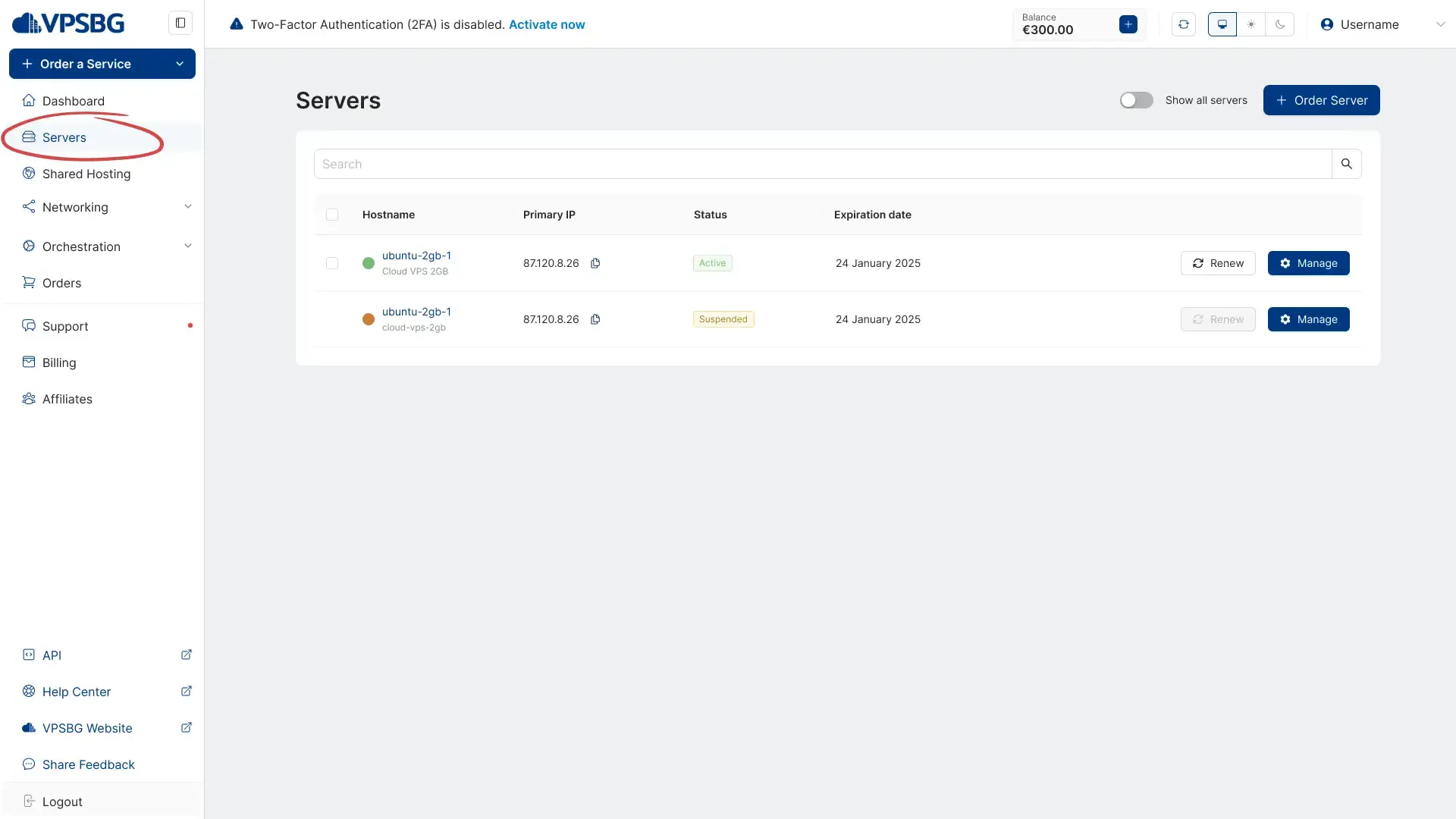
servers

Next, click on the ‘Manage’ button for the service that you wish to set a PTR record:
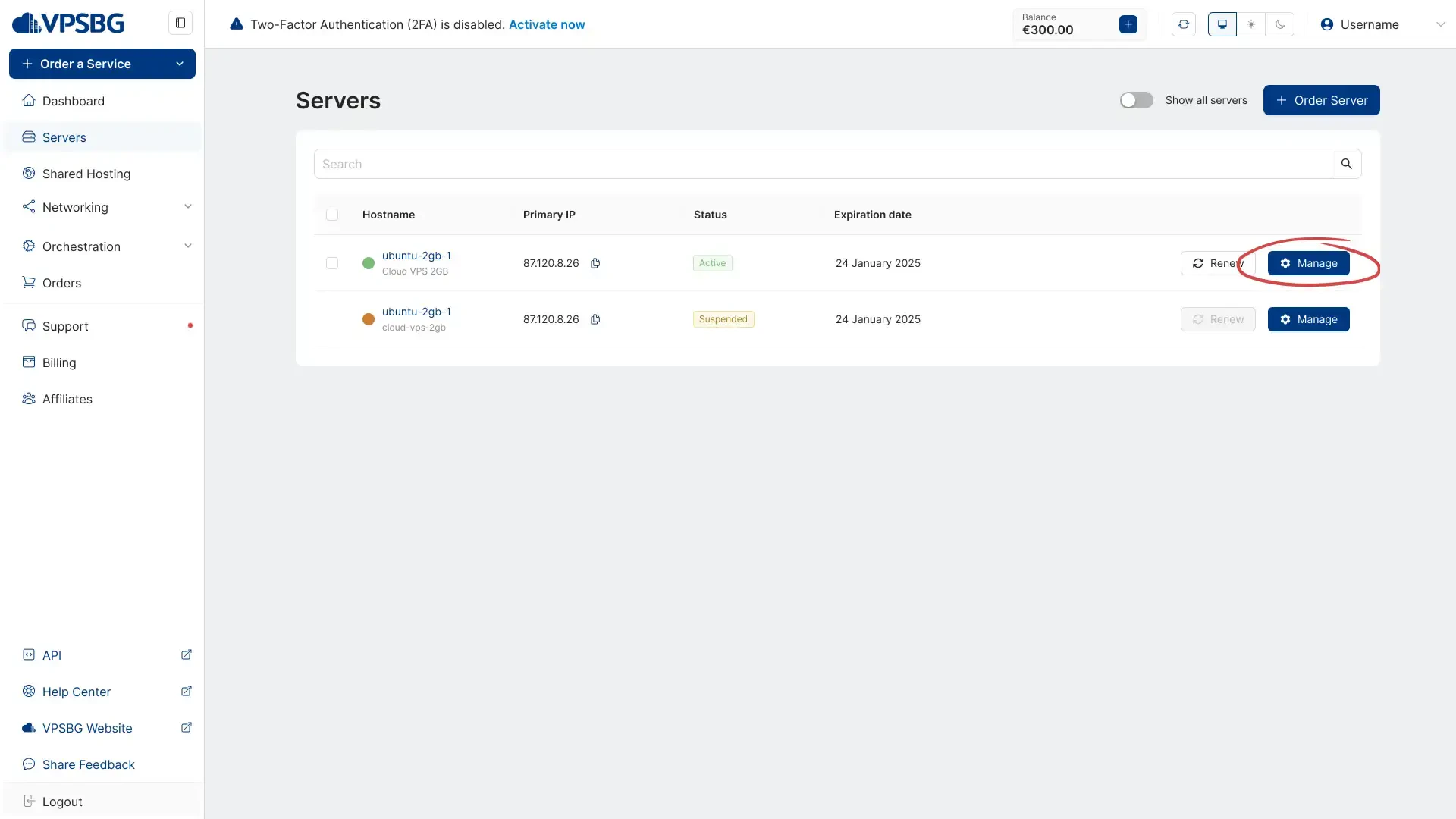
manage server

You will then be presented with all of the information about your selected service. Click on the ‘Networking’ tab and then choose an IP address for which you would like to establish the record. Click on the 3 dots at the end of the row for your selected IP and you will see a list of options, allowing you to select “Set PTR”.
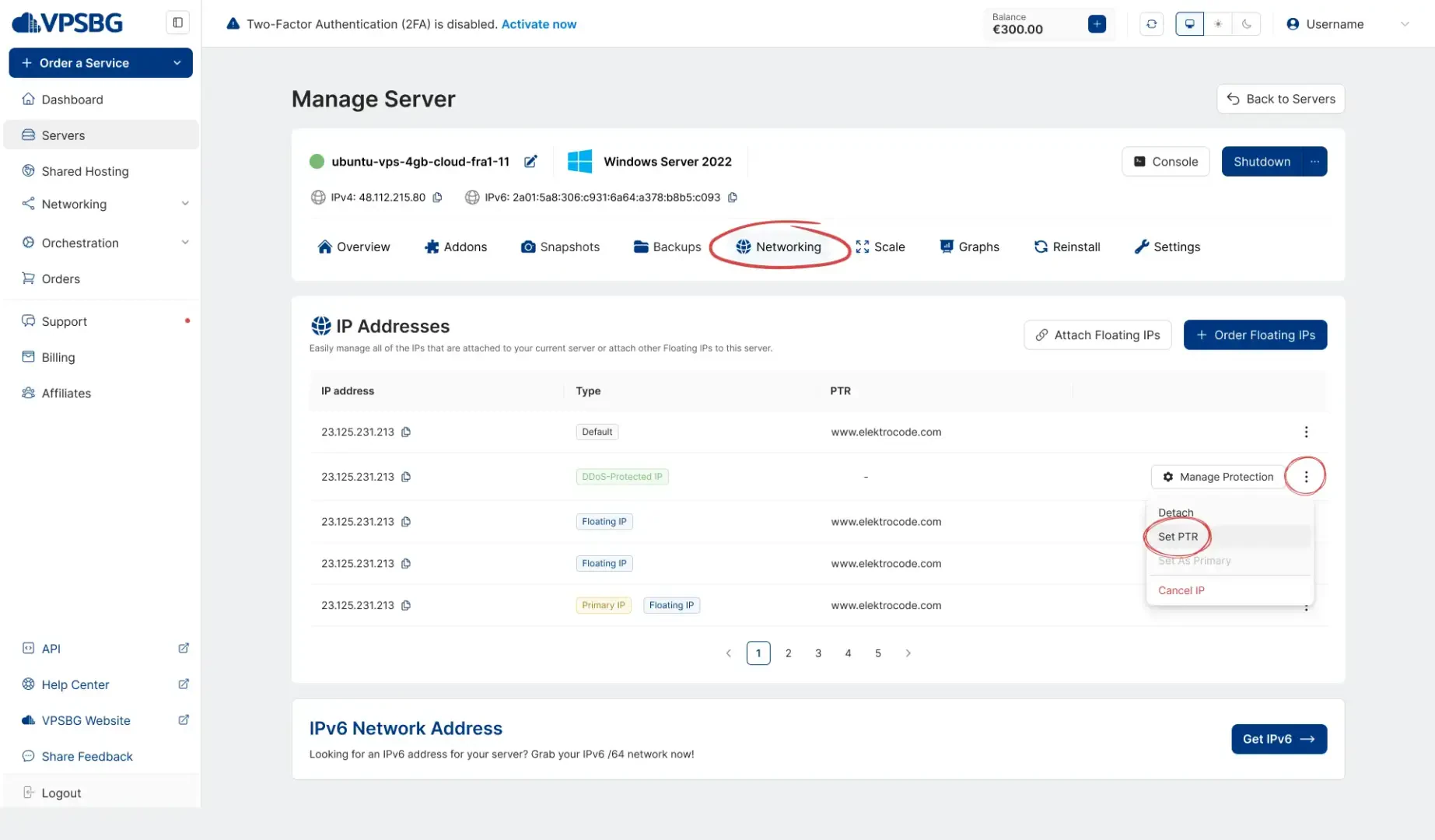
set ptr

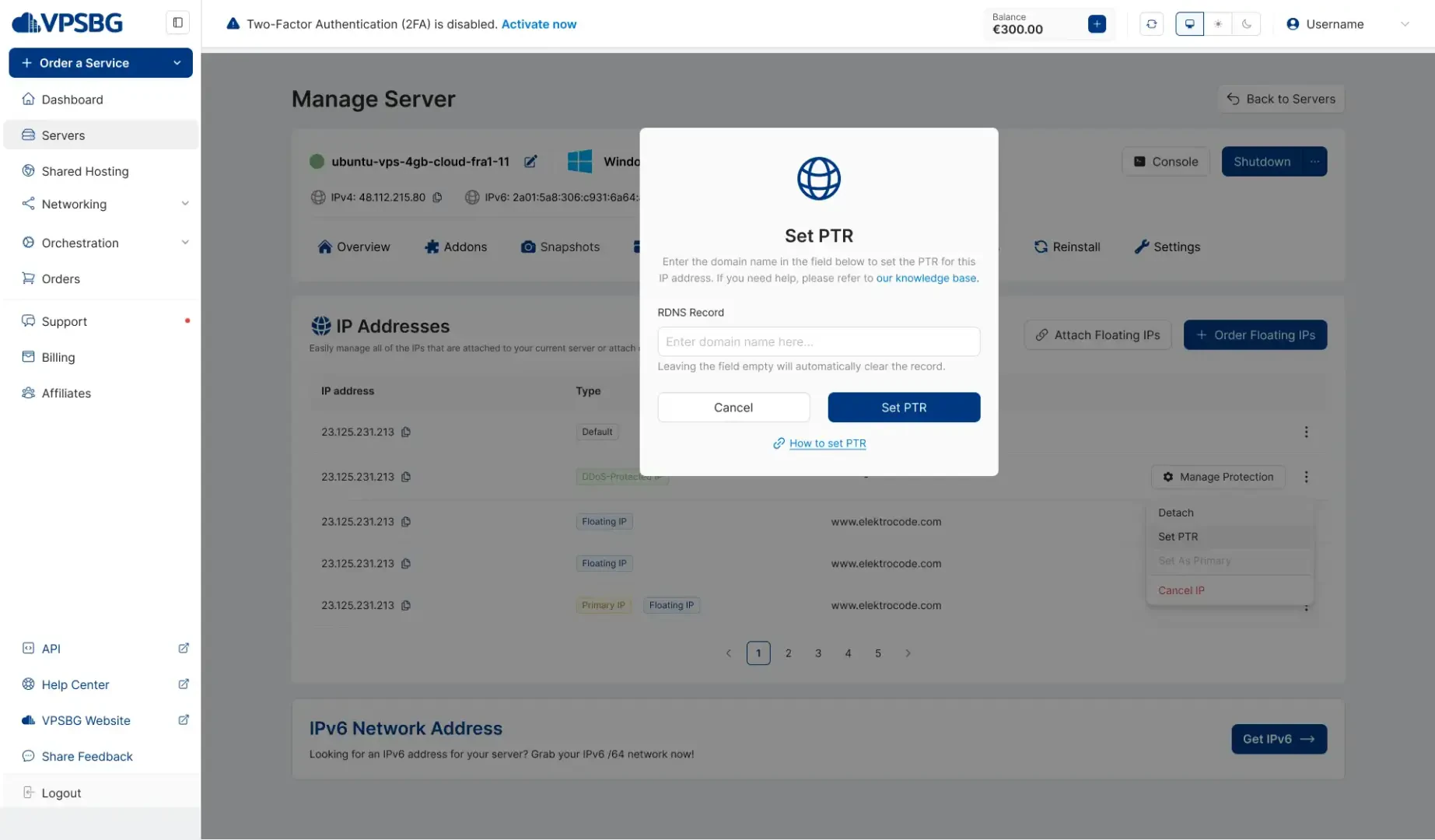
You should now see a similar screen:

set ptr

Finally, enter the full domain name and after making sure that all of the information is correct, press ‘Set PTR’.

IMPORTANT: It is necessary for the record to be a valid FQDN (fully qualified domain name)!

IMPORTANT: You can also set PTR for IPv6 IP groups. To set multiple PTR records, use the add button.
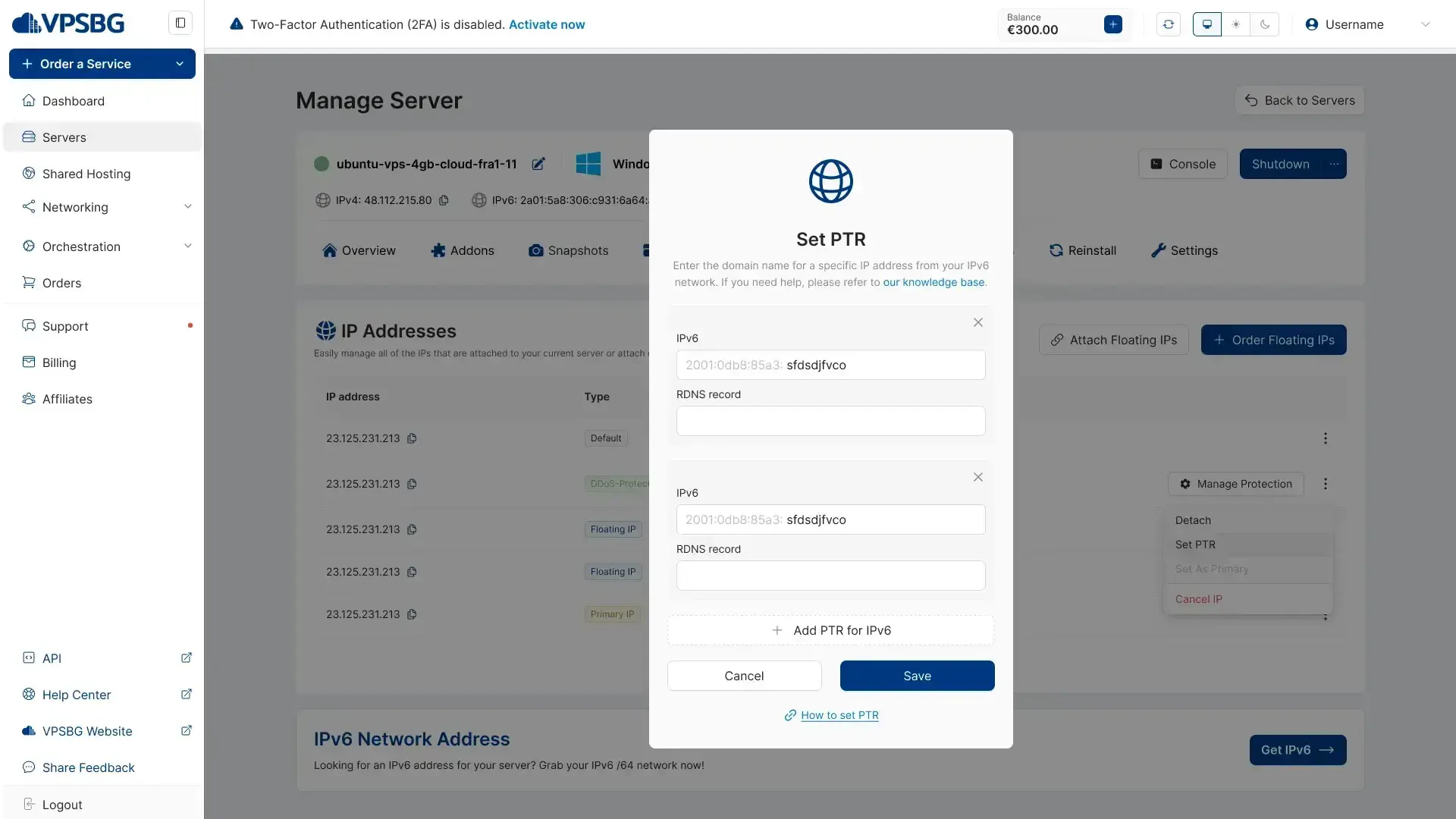
set IPv6 ptr

That's it! You have successfully set up a PTR record! If you do happen to encounter any issues, do not hesitate to contact our team and we will be happy to help you!

Subscribe to Our Newsletter

Join 5000+ subscribers and receive helpful content, deals and more! We promise no spam - 100% great content. Unsubscribe anytime.

Share Article

Related Content

19 July 2023

How to install Windows on a cloud server

In this tutorial, we are going to show you how to install Windows OS on your cloud server from an ISO file with Windows Server 2022 & VirtuIO drivers.

#Tutorial#Windows
01 April 2025

How to perform AMD SEV-SNP attestation inside a guest virtual machine

In this tutorial, we are going to show you how to perform AMD SEV-SNP attestation inside a guest virtual machine to verify trust and security.

#Tutorial#SEV
15 January 2023

How to set up Laravel Forge on your VPS server

Learn how to install Laravel Forge on your VPS or VDS and start managing your Linux server. Deploy PHP applications and databases with ease.

#Tutorial#Laravel

Unrivaled Performance & Security

Deploy a powerful and reliable Cloud VPS today to ensure your privacy. SEV-SNP included for maximum protection.

Configure VPSContact Us